What Is an Ultrasonic Milk Stirrer?
An ultrasonic milk stirrer is a sample-preparation device used before milk composition testing. It applies ultrasonic energy to help create a more uniform sample and remove air bubbles that may interfere with consistent measurement. It is an accessory for the testing workflow, not a milk analyzer by itself.
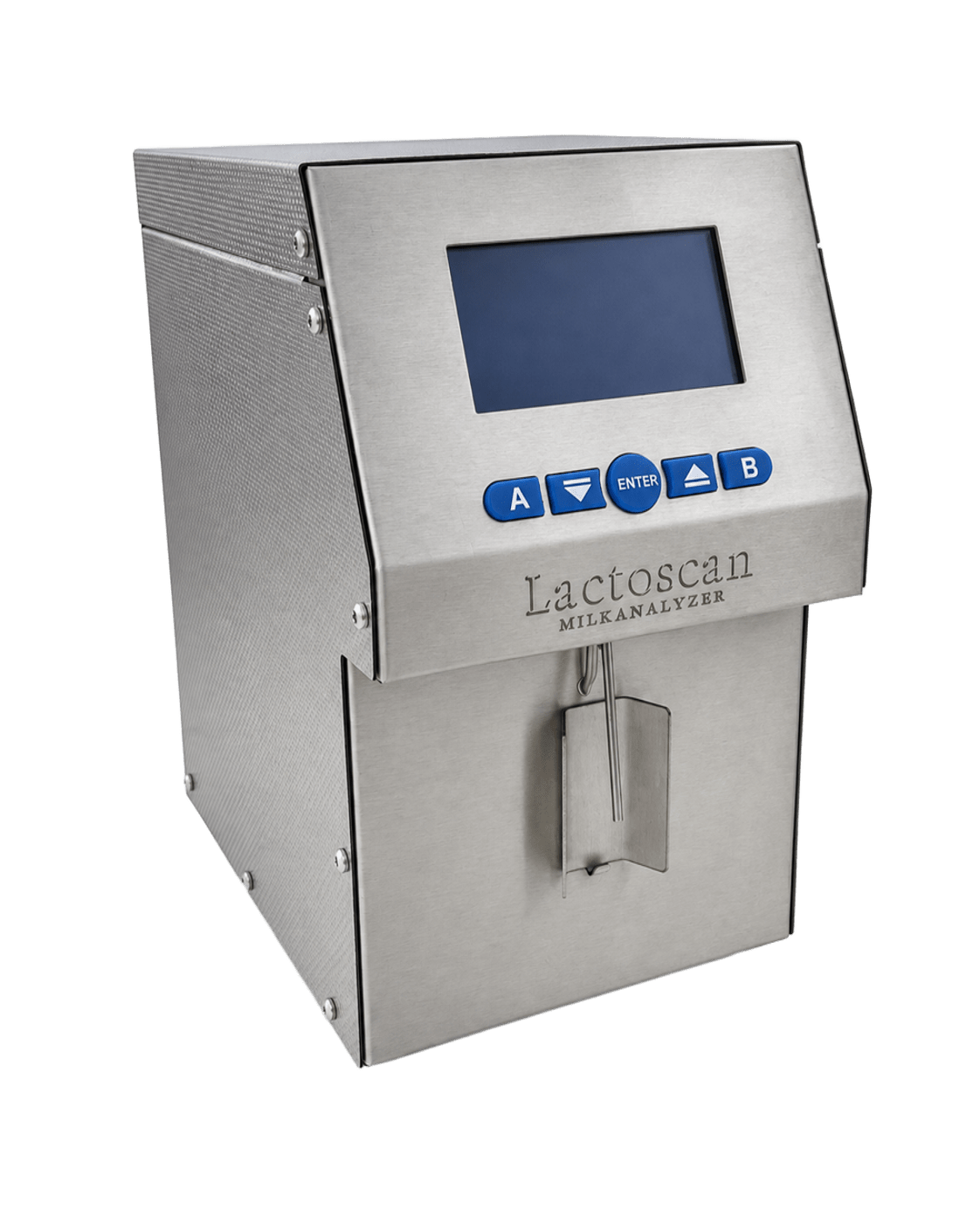
At a milk collection centre, dairy plant or testing laboratory, a well-prepared sample makes the measurement process more repeatable. The analyzer still performs the FAT, SNF and other composition measurements; the stirrer helps prepare the sample before it reaches the analyzer.
Why Sample Preparation Matters for FAT and SNF Testing
Milk composition can be uneven if a sample has been standing or has not been mixed as required by the analyzer manufacturer. Air bubbles and inconsistent mixing can also make the testing process less repeatable. For this reason, the sample preparation step should be treated as part of the test procedure, not as an optional afterthought.
A milk stirrer cannot correct a poorly calibrated analyzer or replace the correct sample temperature, cleaning routine and operating procedure. For dependable routine results, follow the analyzer instructions, use a representative milk sample and apply the same preparation method from test to test.
How Does Ultrasonic Stirring Work?
The KTPL AC-to-DC model lists an adjustable ultrasonic frequency of 20–25 kHz and an adjustable timer. Operators can set the available controls according to the approved procedure for their equipment and milk samples. Ultrasonic energy supports sample mixing, while the unit is designed to help remove air bubbles before analysis.
Frequency and timer settings should be selected based on the manufacturer guidance and the analyzer workflow. Do not assume one setting will suit every milk type, sample volume or analyzer model; confirm the recommended procedure for the equipment being used.
KTPL Ultrasonic Milk Stirrer (AC To DC): Key Specifications
Frequency: adjustable 20–25 kHz. Input: 110–260V AC or 12V DC, 50/60 Hz. Power consumption: 30W. Timer: adjustable. Body: Corten steel. Approximate weight: 2 kg. These are the specifications published on the KTPL Ultrasonic Milk Stirrer (AC To DC) product page.
The product page also lists fuse protection for the PCB and operating conditions of 10°C–40°C with 30–80% relative humidity. A stainless-steel stirrer tool is listed as optional. Confirm the exact accessories, supplied configuration and documentation with KTPL when requesting a quotation.
AC-to-DC or DC-to-DC Milk Stirrer: Which Should You Choose?
The AC-to-DC version is listed for 110–260V AC and 12V DC input, which can be useful where the site needs mains-power operation as well as a compatible 12V DC option. The product page also lists an optional 42Ah battery capable of providing up to 8 hours of backup; confirm whether the battery and backup arrangement are included in the quotation or supplied separately.
KTPL also lists a separate Ultrasonic Milk Stirrer (DC To DC) designed for 12V DC operation. Choose between models by checking the power available at your site, the intended battery arrangement, the analyzer setup and the exact configuration being offered.
Where Is a Milk Stirrer Machine Used?
Common applications listed for the KTPL model include milk collection centres, dairy processing plants, testing laboratories, bulk milk coolers and cooperative societies. It can be relevant wherever staff prepare samples frequently for FAT, SNF or other milk-composition checks.
In busy settings, consistent sample preparation can help operators follow a repeatable workflow across shifts. The device should be used alongside a suitable milk analyzer and the dairy or laboratory procedure, rather than as a standalone testing machine.
What to Check Before Buying an Ultrasonic Milk Stirrer
1. Match the power supply. Confirm whether the site requires AC input, 12V DC operation or a battery arrangement. 2. Review controls. Check the frequency range and timer control. 3. Confirm compatibility. Ask whether the stirrer is appropriate for the analyzer and sample workflow you already use.
4. Confirm accessories. Ask whether the stirrer tool and optional battery are included. 5. Check service and protection. Review fuse protection, cleaning guidance, warranty and spare-part support. 6. Ask for a written quote. Compare the same configuration, taxes, delivery and support rather than comparing product titles alone.
Ultrasonic Milk Stirrer Price in India: What Affects the Cost?
The price of an ultrasonic milk stirrer can depend on the model, power configuration, included stirrer tool, optional battery, supply and service terms. This guide does not quote a fixed price because a live listing or quotation may change and a marketplace offer may not include the same accessories as a direct purchase.
For current specifications and a quotation, visit the official KTPL product page. You can also check the Amazon listing for the currently displayed offer and availability. Verify the model, included accessories, delivery and seller details before ordering.
Good Operating Habits for Consistent Testing
Use the sample volume and preparation method recommended for your analyzer, avoid changing settings without a documented reason and keep a consistent routine between operators. Follow the cleaning and maintenance instructions supplied with both the stirrer and the analyzer, especially when switching between samples or ending a testing session.
If readings vary unexpectedly, check sample handling, temperature, cleaning, calibration and equipment condition before assuming the stirrer alone is responsible. Where results affect a disputed payment or a formal quality decision, use the confirmation process required by your dairy or laboratory.
Where to Learn More or Request a Quote
Read the specifications, enquiry details and related products on the KTPL Ultrasonic Milk Stirrer (AC To DC) page, or contact KTPL India for a quotation. Share your analyzer model, power availability, expected daily testing volume and preferred accessories so the configuration can be checked against your workflow.
About KTPL IndiaKTPL India provides milk analyzers, dairy testing equipment and related spare parts for milk collection centres, dairies and testing applications.