

What Do FAT and SNF Actually Mean?
FAT refers to the milk fat percentage in a milk sample - the cream content that gives milk its richness. SNF stands for Solids-Not-Fat, which covers everything else solid in milk except fat: mainly protein, lactose and minerals.
Together, FAT and SNF are the two numbers that most milk procurement systems in India use to calculate the price paid to a farmer or collection centre, which is why accurate, consistent testing matters to everyone in the supply chain.
Why These Two Numbers Decide Your Payout
Most dairy cooperatives and processors use a FAT + SNF based pricing formula rather than paying a flat rate per litre. Higher FAT and SNF generally mean a higher price per litre, since the milk contains more usable solids for products like ghee, paneer and milk powder.
This is exactly why disputes happen at collection points when testing is inconsistent - a farmer supplying good quality milk can be underpaid if the testing equipment or method is inaccurate, and a processor can overpay if testing over-reports fat content.
How Milk Analyzers Measure FAT and SNF
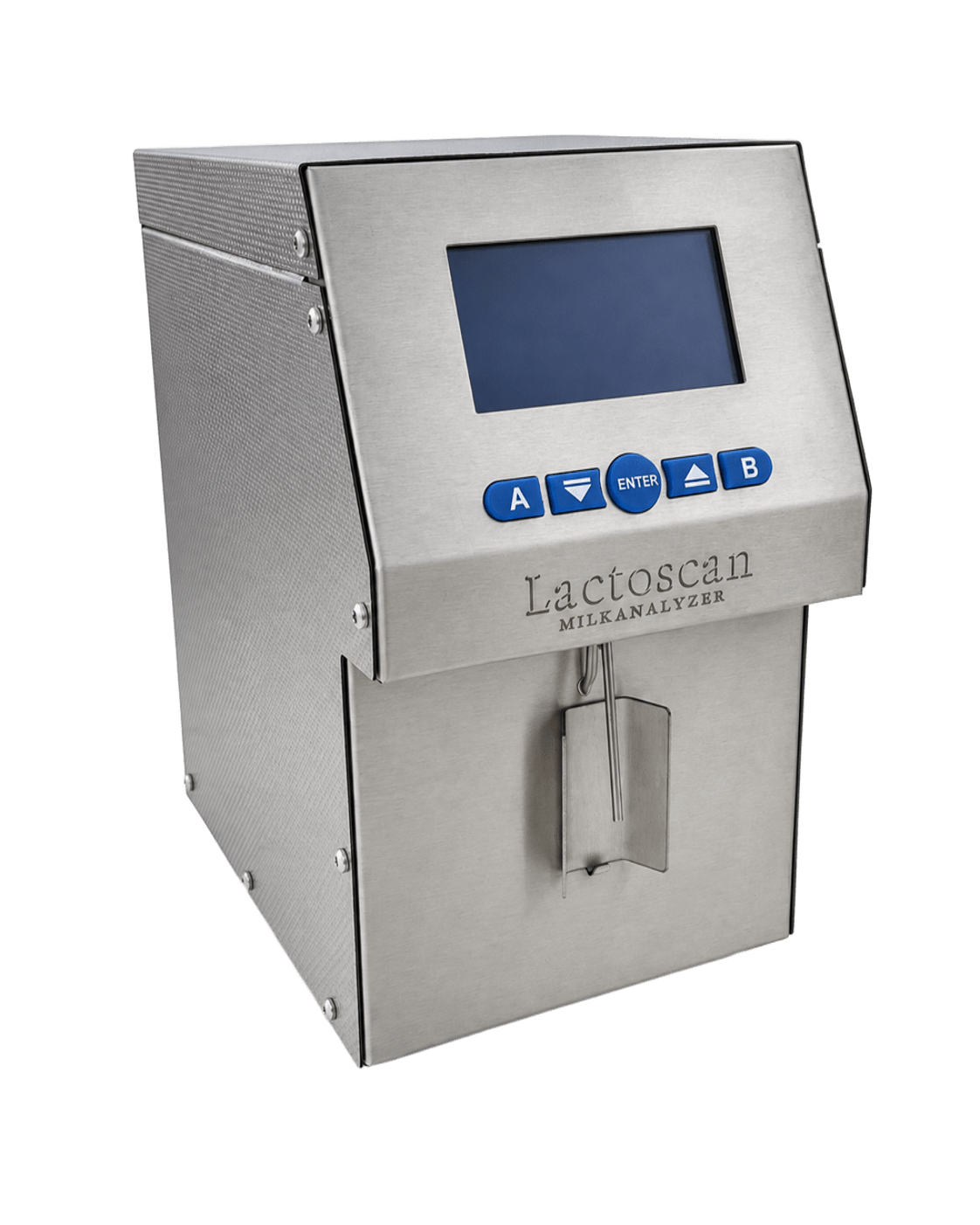
Modern milk analyzers, including ultrasonic models like the Lactoscan and KTPLBOND-701, use ultrasonic wave propagation combined with digital signal processing to estimate FAT, SNF, protein, lactose and density from a small sample - typically around 20-25 ml - in under 60 seconds.
This replaces older wet-chemistry lab methods (like the Gerber method) that take longer and require trained lab staff, making on-the-spot testing at the collection centre or even on the farm practical.
Typical FAT & SNF Ranges
Cow milk typically falls around 3.5-4.5% FAT and 8.5-9% SNF, while buffalo milk runs richer, often 6-8% FAT and 9-9.5% SNF. These ranges vary by breed, feed, season and lactation stage, which is exactly why consistent testing - not assumption - is needed for fair pricing.
Getting Reliable Readings
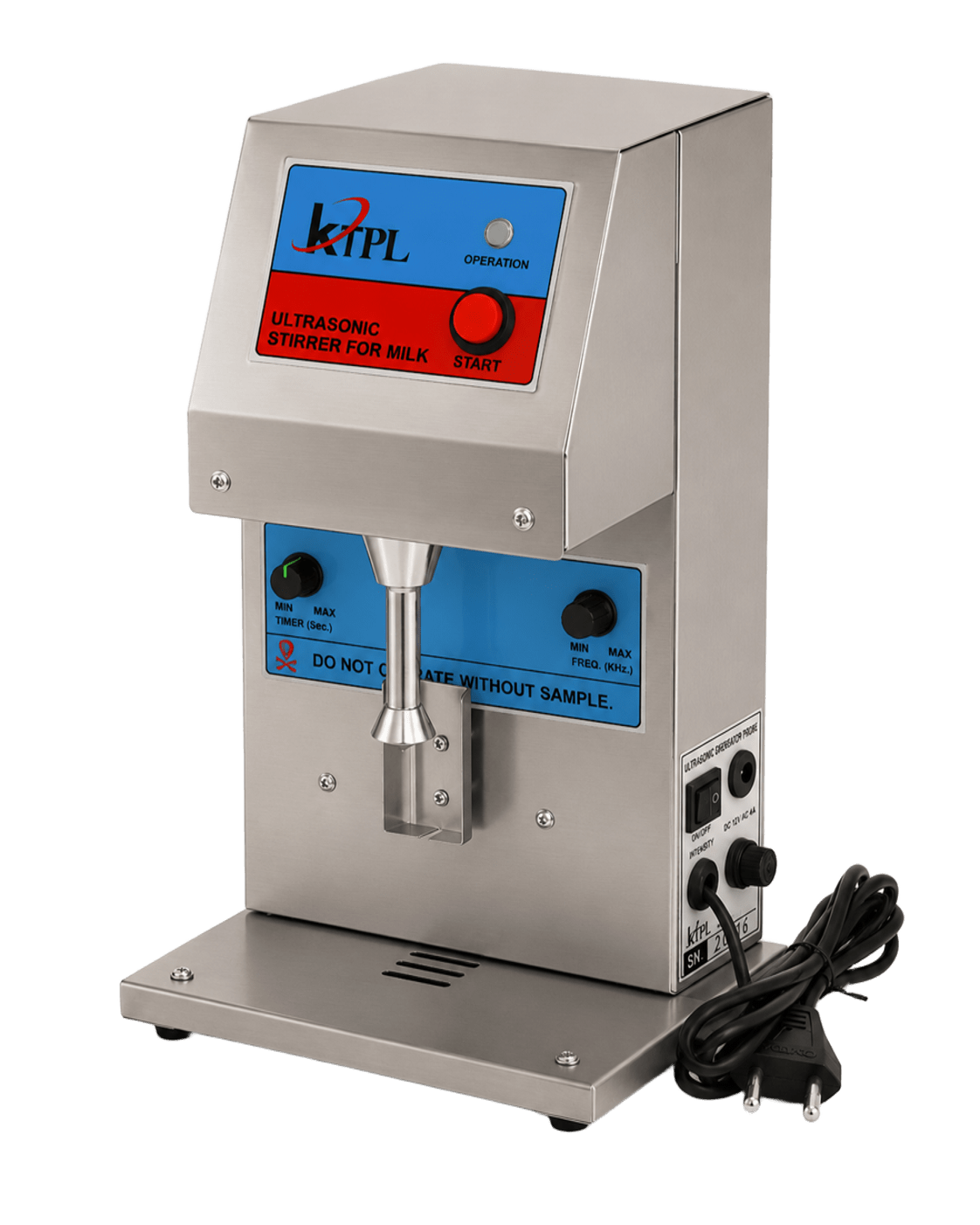
A few practical habits make a real difference to accuracy: test milk at a consistent temperature (most analyzers specify an operating range, commonly 5-40°C), avoid testing immediately after milking when the sample is still warm and un-homogenized, clean the sampling probe or stirrer between samples, and calibrate the analyzer periodically as recommended by the manufacturer.